Home / Procedures / Scar Revision

Scar Revision

Scar Revision Surgery · Cicatricial Correction

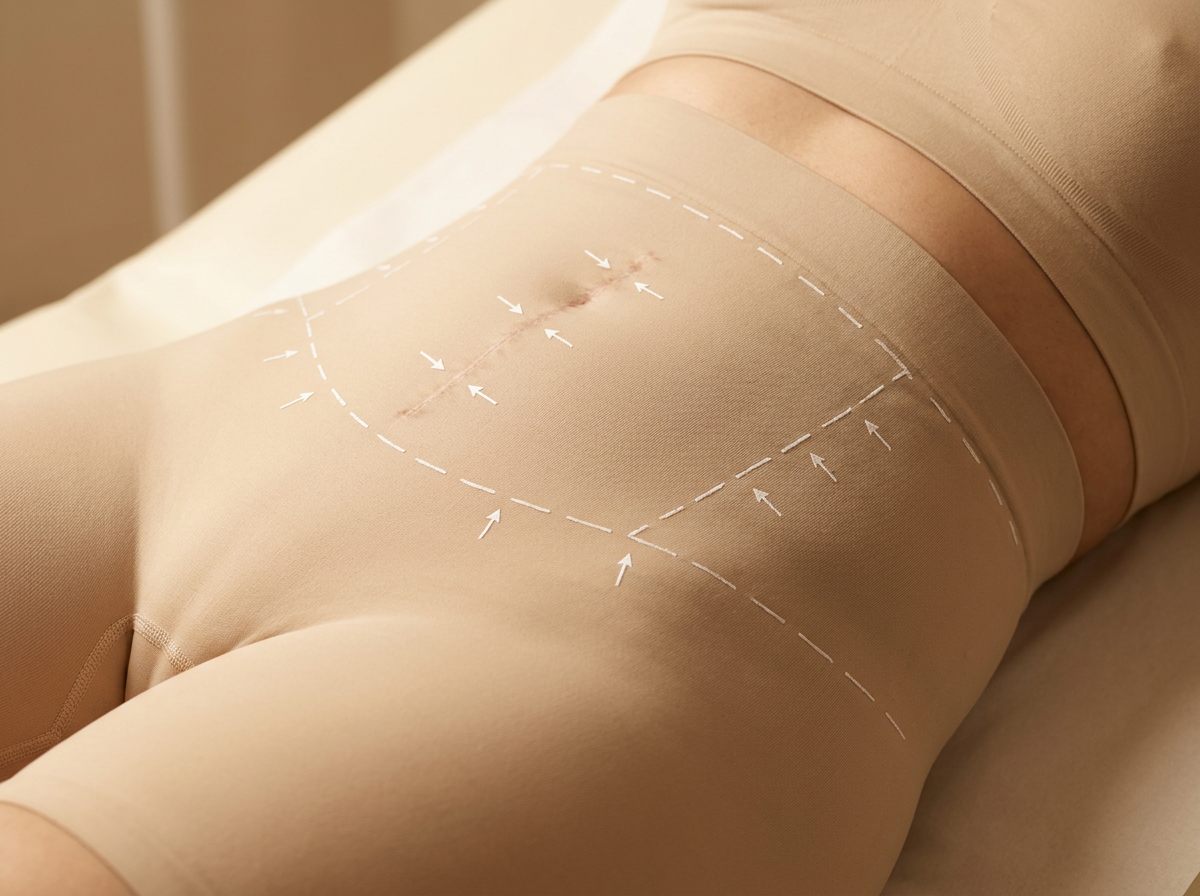
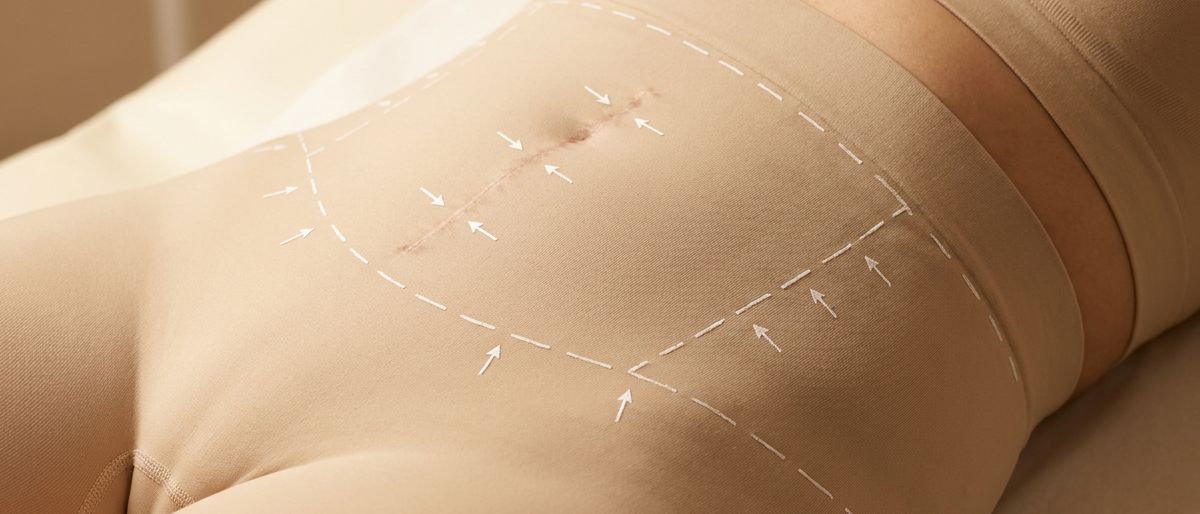
Scar revision improves the appearance, texture, or position of an existing scar. It is suited to those who are bothered by a scar's width, colour, texture, or the way it pulls on surrounding skin.

Scar Revision
Duration0.5–2 hours
AnaesthesiaLocal; general for larger cases
Hospital stayDay case
Back to work3–7 days

Who this procedure suits

Scar revision does not erase a scar. It aims to make an existing scar less noticeable, less raised, or less restrictive, by refining its width, direction, or tension.

A good candidate if

  • A scar that is wide, raised, or depressed and bothers you visually
  • A scar that pulls on the skin or restricts movement nearby
  • A scar that healed with visible stitch marks or uneven edges
  • A scar that has matured for at least 12 months without improving further

Not suitable if

  • A scar still red, raised, or actively changing within its first year
  • Active skin infection or inflammation at the scar site
  • A known tendency to keloid or hypertrophic scarring in some cases
  • Unrealistic expectations of completely removing the scar

How the procedure is performed

Consultation

Dr Cardinali examines the scar, discusses how it formed, and explains what revision can and cannot change.

Preparation

You may be asked to stop smoking, avoid certain supplements, and allow the scar to fully mature before surgery.

Surgery

The scar is excised and the wound closed with fine sutures, sometimes with tissue rearrangement to reduce tension.

Follow-up

Sutures are checked and removed, and scar care guidance is given for the following months.

Scar Revision

Recovery — what actually happens

Day 1-3Keep the area clean and dry. Mild swelling or tenderness is normal.
Week 1Sutures may be removed if non-dissolvable. Avoid stretching the skin near the scar.
Week 2-4Resume normal activity gradually. Begin scar massage or silicone taping if advised.
Month 2-3The new scar line is still settling and may look pink or firm.
Month 6-12The scar continues to soften and fade during this time.

Honest medicine — the risks

Every surgical procedure carries potential risks. Risks vary with the procedure and your health, and the surgeon will discuss them with you along with the measures used to reduce them:

Recurrence of a visible scarCareful closure technique and tension-reducing methods are used
InfectionSterile technique and wound care instructions reduce this risk
Delayed wound healingSmoking cessation and optimising skin health beforehand help healing
Keloid or hypertrophic scarringScar assessment beforehand and post-op silicone or pressure therapy
Altered skin sensation near the scarUsually temporary and resolves over months
ThromboembolismEarly mobilisation is encouraged for longer procedures under general anaesthesia
Asymmetry or uneven scar linePrecise surgical planning and layered closure aim to minimise this
Frequently asked questions

Will the scar disappear completely?

No. Scar revision aims to make a scar less noticeable, not remove it entirely.

When is the best time to revise a scar?

Most scars are given at least 12 months to mature before revision is considered.

Will the new scar look different from the old one?

Yes. The goal is a finer, flatter, or better-positioned scar line.

Can scar revision be done under local anaesthesia?

Many small scars can be revised under local anaesthesia, depending on size and location.

Do I need ongoing scar care after surgery?

Yes. Silicone sheets, massage, or sun protection are often recommended for several months.

Is this procedure right for you?

The only correct answer comes from a clinical examination. Book a consultation — in person, or by video if you are outside the UAE.

Book a consultation
Book a consultation