Home / Procedures / Implant Exchange

Implant Exchange

Breast Implant Revision · Secondary Augmentation

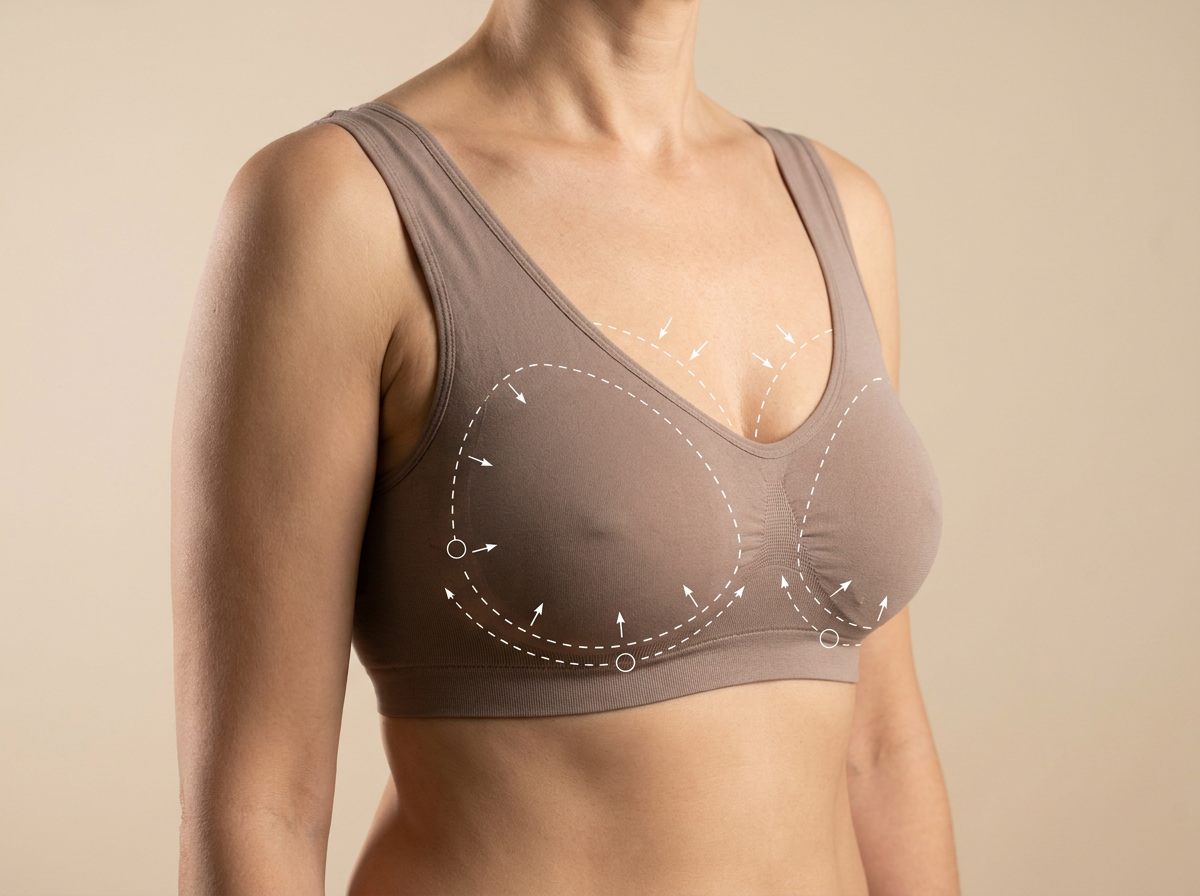
This operation replaces existing breast implants with new ones, addressing changes in your body, the implants themselves, or your aesthetic preferences over time. It suits women who have previously had breast augmentation and now need or want a change.

Implant Exchange
Duration1.5–3 hours
AnaesthesiaGeneral
Hospital stayDay case
Back to work7–10 days

Who this procedure suits

There is no fixed number of years after which implants must be exchanged. This procedure is indicated when there is an actual clinical problem, such as capsular contracture, implant rupture or malposition, or when you simply want to update size and shape to match how your body and preferences have evolved.

A good candidate if

  • Your implants show a change identified at your regular breast check, or are subject to a manufacturer recall
  • You have a confirmed or suspected implant rupture
  • You have capsular contracture causing firmness, pain, or distortion
  • You want a different size, profile, or implant position after previous surgery

Not suitable if

  • You have an active breast infection or unresolved wound issue
  • You are currently pregnant or breastfeeding
  • You have unrealistic expectations about correcting long-standing tissue stretch
  • You smoke and are unwilling to stop before surgery, or have an unstable general health condition contraindicating general anaesthesia

How the procedure is performed

Consultation

We review your surgical history, current implants, and any symptoms. Imaging such as ultrasound or MRI may be requested to assess implant condition.

Preparation

You will have routine pre-operative tests. We discuss new implant size, type, and whether the pocket or position needs adjustment.

Surgery

Old implants are removed, the capsule is assessed and treated if needed, and new implants are placed. We may use your previous incision where possible.

Follow-up

We see you within the first week to check healing, then again to monitor healing and implant position over the following months.

Implant Exchange

Recovery — what actually happens

Day 1-3Rest with support garment on. Some swelling, tightness, and bruising are expected.
Week 1Gentle arm movement is comfortable and mild activity resumes. Avoid heavy lifting.
Week 2-4Most swelling settles. Gradual return to normal daily activity and light exercise.
Month 2-3Implants settle into position. Scar tissue continues to soften.
Month 6-12Final shape and softness become apparent. Follow-up imaging may be advised long-term.

Honest medicine — the risks

Every surgical procedure carries potential risks. Risks vary with the procedure and your health, and the surgeon will discuss them with you along with the measures used to reduce them:

ScarringIncisions are placed along previous scar lines where possible to limit new scarring
InfectionSterile technique and antibiotic prophylaxis are used; signs are monitored closely post-op
Delayed wound healingCareful tissue handling and activity restriction support healing, especially with prior scar tissue
ThromboembolismEarly mobilisation and compression measures reduce clot risk during recovery
Recurrent capsular contractureCapsulectomy and implant placement changes lower recurrence risk, though it cannot be eliminated
Implant malposition or asymmetryPrecise pocket adjustment during surgery aims to correct prior positioning issues
Changes in nipple or skin sensationCareful surgical technique limits nerve disruption, though sensation changes can occur
Frequently asked questions

How do I know if my implants need replacing?

A regular clinical breast examination is the starting point: implant position and orientation can normally be assessed during that examination. If there is any doubt or a suspected change, further evaluation such as ultrasound or MRI is arranged. Exchange is advised only when an actual problem is found.

Can the orientation of my implant be checked?

Yes. Implant orientation can normally be assessed during a clinical breast examination. If there is any doubt or a suspected alteration, further evaluation can be performed to confirm before any decision is made.

Can I change size during an implant exchange?

Yes, many women choose to go larger, smaller, or change profile at this stage. We discuss what is achievable given your existing tissue and pocket.

Will I need drains after this surgery?

Drains are not used routinely. In selected cases where extensive capsule tissue is removed, a small drain may be considered and is removed within a few days.

Does implant exchange address sagging?

Not on its own. If you have significant sagging, a breast lift may be combined with the exchange for a more complete correction.

How long do new implants typically last?

There is no standard fixed replacement period. Regular breast checks are recommended, and exchange is considered only if an actual problem is found rather than because a certain number of years has passed.

Is this procedure right for you?

The only correct answer comes from a clinical examination. Book a consultation — in person, or by video if you are outside the UAE.

Book a consultation
Book a consultation