Home / Procedures / Gynecomastia Surgery

Gynecomastia Surgery

Male Breast Reduction · Subcutaneous Mastectomy

Gynecomastia surgery reduces enlarged male breast tissue to create a flatter, firmer chest contour. It is for men whose breast size causes physical discomfort or self-consciousness that has not resolved with time or weight change.

Gynecomastia Surgery
Duration1–2 hours
AnaesthesiaGeneral
Hospital stayDay case
Back to work5–7 days

Who this procedure suits

Gynecomastia surgery addresses excess glandular tissue, fat, or both, that cause breast enlargement in men. It is considered when the condition is stable, has been medically evaluated, and is causing physical or psychological discomfort.

A good candidate if

  • Persistent breast enlargement unrelated to obesity or reversible medication use
  • Firm glandular tissue that has not responded to weight loss
  • Physical discomfort such as tenderness or skin irritation under the breast
  • Stable weight and a diagnosis confirmed by a doctor to rule out other causes

Not suitable if

  • Adolescents with gynecomastia that may still resolve on its own
  • Untreated hormonal imbalance, liver disease, or active medication cause
  • Significant obesity, where weight loss should be tried first
  • Active use of anabolic steroids or certain recreational drugs

How the procedure is performed

Consultation

Dr Cardinali examines the chest, distinguishes glandular tissue from fat, and may request blood tests or imaging to rule out underlying hormonal or medical causes.

Preparation

You will be asked to stop certain medications, avoid smoking, and complete any required lab work before surgery.

Surgery

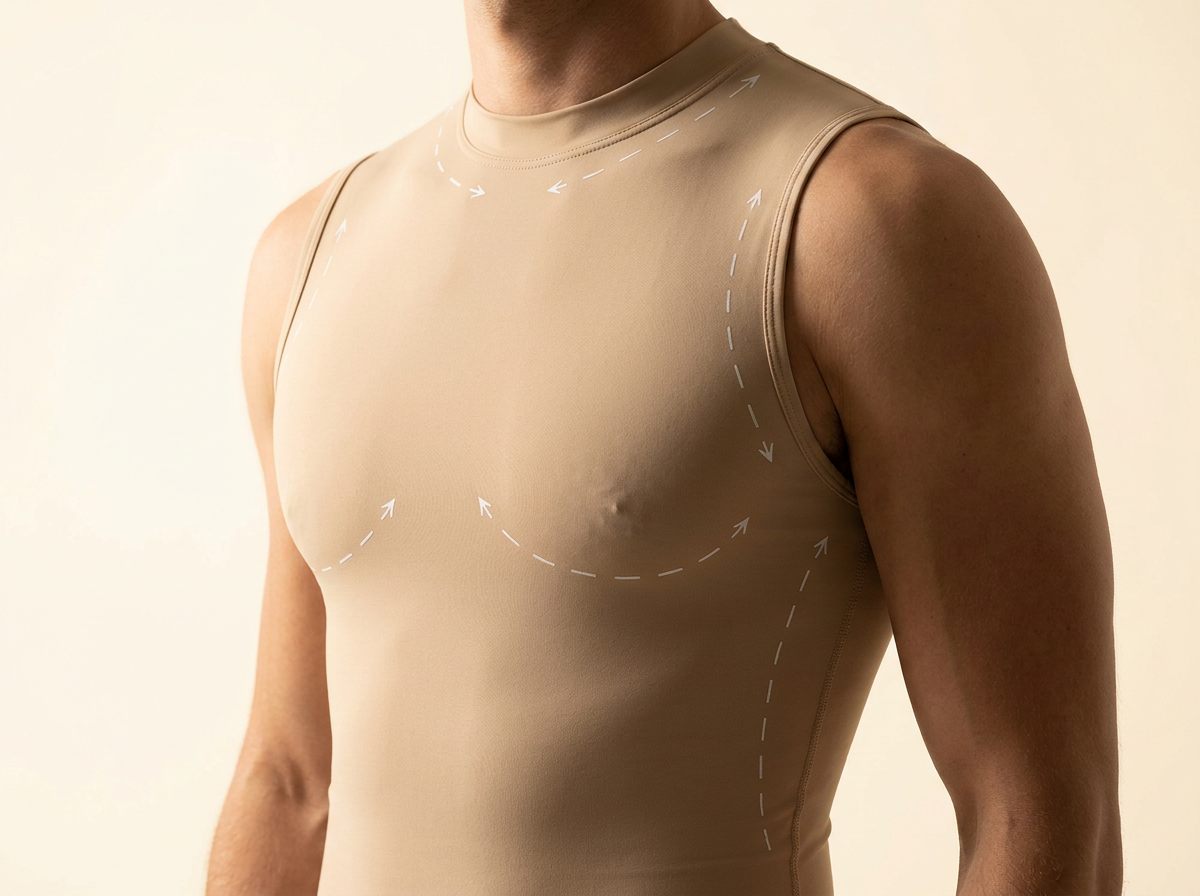
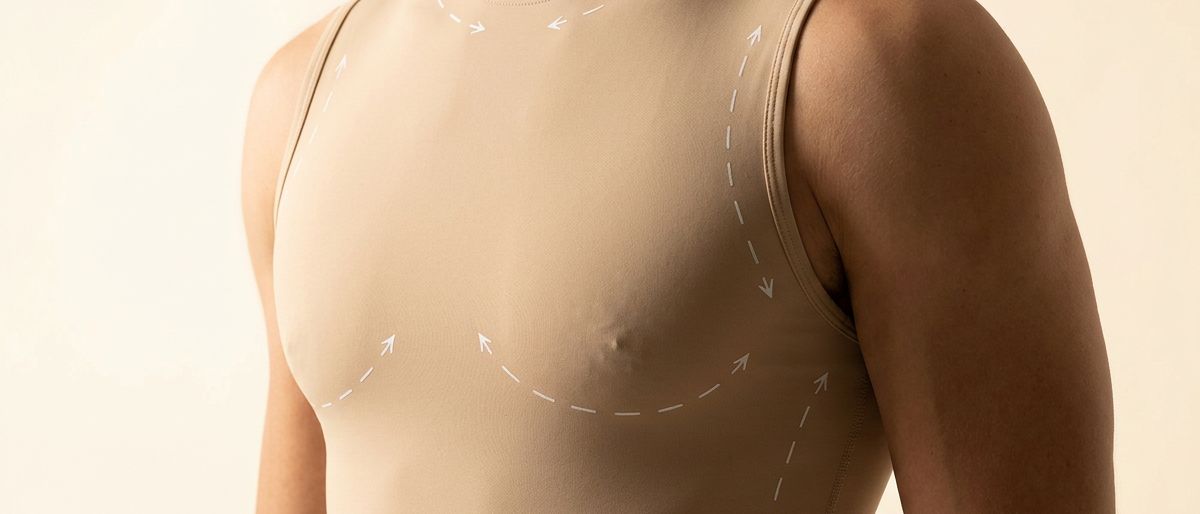
Excess glandular tissue is removed through a small incision around the areola, often combined with liposuction to smooth surrounding fat. A compression garment is fitted at the end.

Follow-up

You are seen within the first week to check the incisions, then again at intervals over the following months to monitor healing and chest contour.

Gynecomastia Surgery

Recovery — what actually happens

Day 1-3Rest at home. Mild swelling, bruising, and tightness are expected. Compression garment worn continuously.
Week 1Stitches checked or removed. Most return to desk-based work if comfortable.
Week 2-4Gradual return to light exercise. Swelling continues to settle. Avoid chest-focused gym work.
Month 2-3Chest contour becomes clearer as residual swelling resolves. Normal exercise usually resumed.
Month 6-12Final result stabilises. Scars continue to fade gradually.

Honest medicine — the risks

Every surgical procedure carries potential risks. Risks vary with the procedure and your health, and the surgeon will discuss them with you along with the measures used to reduce them:

ScarringIncisions are placed at the areola edge where they are least visible; scars fade over months
InfectionSterile technique and antibiotics reduce risk; signs are monitored at follow-up
Delayed wound healingCareful tissue handling and garment use support steady healing
Thromboembolism (blood clot)Early mobilisation and risk assessment before surgery reduce this risk
Asymmetry or contour irregularityMeticulous tissue removal and follow-up monitoring help address this
Changes in nipple sensationUsually temporary; surgical technique aims to preserve nerve supply
Fluid collection (seroma)Compression garments and, where needed, in-clinic aspiration manage accumulation
Frequently asked questions

Will the results be permanent?

Removed glandular tissue does not return, but significant weight gain or hormone-affecting drug use can cause new fat or tissue accumulation over time.

Does insurance cover this surgery?

Coverage depends on your insurer and whether the condition is classified as medically necessary. Dr Cardinali's team can advise on the documentation required.

Will I have visible scars?

Incisions are small and placed at the edge of the areola where the scar tends to blend with the natural skin tone over time.

Can gynecomastia come back after surgery?

Recurrence is uncommon once glandular tissue is removed, but underlying causes such as steroid use or certain medications should be addressed to lower this risk.

When can I resume gym training?

Light activity is usually possible within a couple of weeks. Chest exercises are introduced gradually, guided by your surgeon's advice at follow-up.

Is this procedure right for you?

The only correct answer comes from a clinical examination. Book a consultation — in person, or by video if you are outside the UAE.

Book a consultation
Book a consultation