Breast Reduction
Reduction Mammoplasty
Breast reduction removes excess breast tissue, fat and skin to create a smaller, lighter breast. It is designed for women whose breast size causes physical discomfort or restricts daily activity.
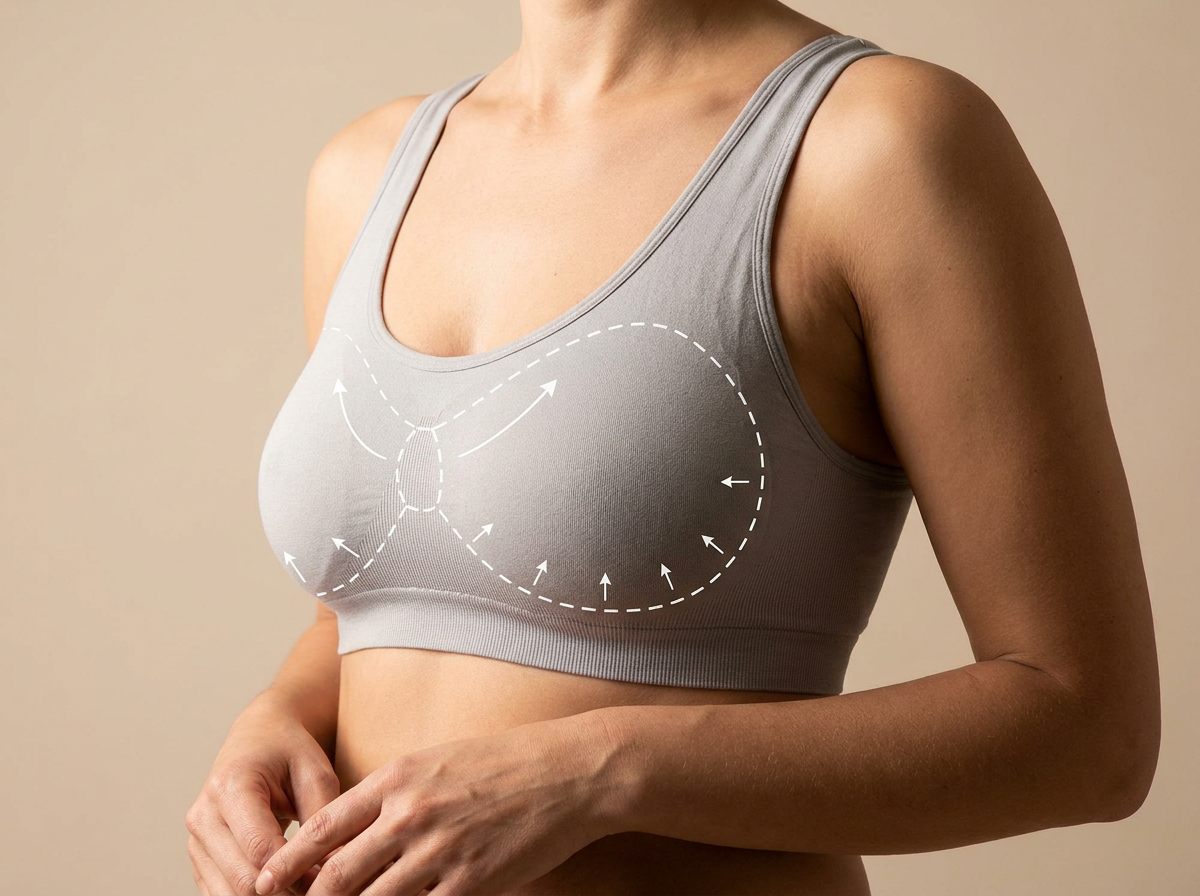
Breast reduction removes excess breast tissue, fat and skin to create a smaller, lighter breast. It is designed for women whose breast size causes physical discomfort or restricts daily activity.
Very large breasts can pull on the neck, shoulders and back, causing daily pain that painkillers and physiotherapy do not fully resolve. This operation reduces breast weight and volume, easing that physical load and often making clothing and exercise more comfortable.
We examine your breasts, take measurements, and discuss your goals, symptoms and medical history. We review your mammogram or arrange one if needed, and talk through scar pattern, nipple repositioning, and any effect on future breastfeeding or sensation.
Baseline blood tests and a mammogram are arranged. You stop smoking well ahead of surgery, adjust certain medications, and arrange help at home for the first days after.
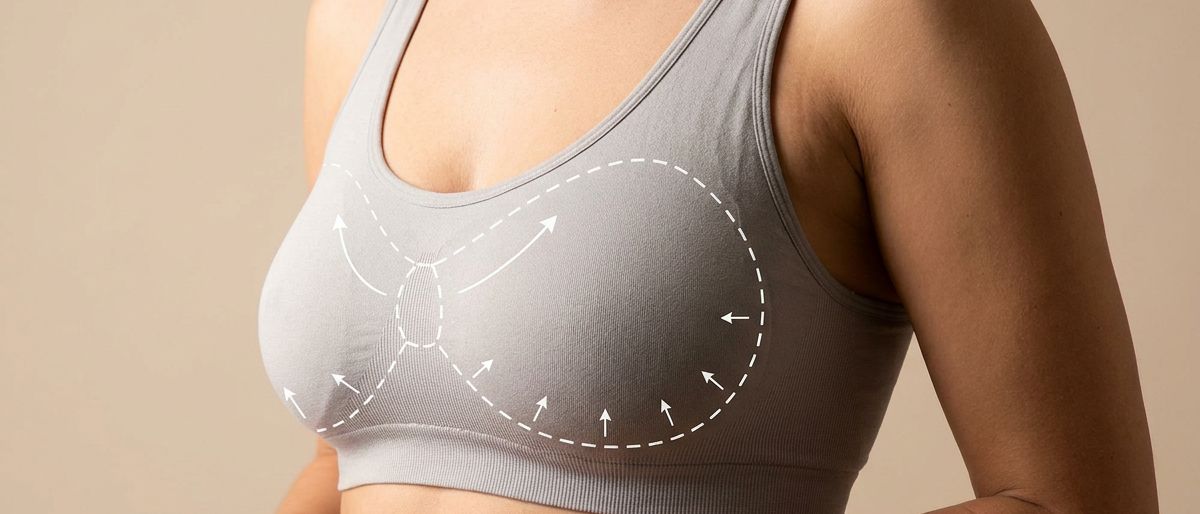
Under general anaesthesia, excess tissue, fat and skin are removed and the nipple is repositioned, usually kept attached to its original blood and nerve supply. The breast is reshaped and closed in layers.
We check wound healing and fit your surgical garment. Further visits monitor symmetry, scarring and sensation over the following months.
Every surgical procedure carries potential risks. Risks vary with the procedure and your health, and the surgeon will discuss them with you along with the measures used to reduce them:
It can, depending on the technique used and how much tissue is repositioned. We discuss your future plans before surgery and use methods that aim to preserve function where possible, though breastfeeding cannot be guaranteed.
The reduction is planned around your anatomy, symptoms and goals. We discuss a realistic target size and proportion at your consultation rather than a fixed cup size.
Most patients have a scar around the areola, vertically down the breast, and sometimes along the fold beneath it. Scars fade over months but do not disappear completely.
Some insurers cover it when there is documented medical need, such as chronic pain. This depends on your policy and requires supporting medical documentation, which we can help provide.
Light activity often resumes within a few weeks, with more strenuous exercise, particularly involving the chest and arms, introduced gradually from around two to three months, guided by your recovery.
The only correct answer comes from a clinical examination. Book a consultation — in person, or by video if you are outside the UAE.